
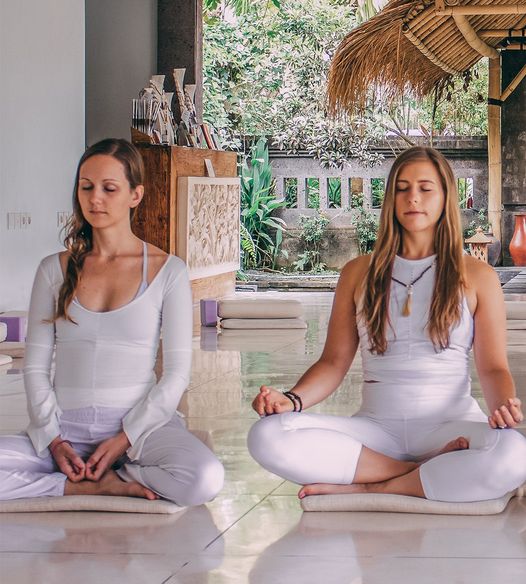

Most people think that yoga teacher training is only meant for those looking to teach yoga to others. But, that’s not the case. Many people who enroll in yoga teacher training don’t plan to teach in the future.
Who Actually Shows Up to These Programs
People from all sorts of backgrounds take up the course. There are those who have been practicing yoga for years and looking to go deeper with it. Then, there are people coming from a stressful period at work and looking to get a month of real structure and focus. Some booked the course after a recommendation from a friend. A shared goal of becoming a yoga teacher is far less common inside these training sessions than the name would lead you to believe.
The schools do market these courses around certification and career outcomes, mostly because that’s what tends to get people to book. But once the training is actually running, nobody spends much time on those conversations. The learning takes over pretty fast.
Most People Just Want to Understand Yoga Better
After years of weekly classes, questions build up that nobody really answers. Why do two teachers cue the same pose in completely different ways? Why does one breathing exercise settle your nervous system while another seems to wire you up? A regular class moves too fast to get into any of that, and most teachers don’t have the time to explain it even if they wanted to.
A Bali yoga teacher training course builds real time around those questions. Anatomy gets its own sessions. So does philosophy, alignment, and breathwork. Students who join purely to understand their own practice often say it’s the first time yoga actually made sense to them as a whole system rather than just a series of postures they’d learned to follow.
Teaching Practice Is the Part People Worry About Most
When people who have come to join the yoga teaching course are told to stand in front of a group and guide them through a sequence, it can be pretty uncomfortable for them. Even those who intend to teach can find it a bit uncomfortable because practicing yoga and teaching others are completely different things.
Once those first teaching sessions actually happen, something shifts. The person with eight years of practice feels just as unsure as the one who joined six months ago, and that shared awkwardness makes the room a lot less intimidating. Trying to explain a pose out loud also does something interesting to how you understand it yourself. You realise pretty quickly which parts you actually grasp and which parts you’ve just been copying without knowing why. People who go on to never teach a single class after the course still talk about those sessions as some of the most useful hours they spent there.
Bali Looks Beautiful Online. The Schedule Is Less Relaxing.
Scroll through photos of rice paddies and open-air yoga shalas and it’s easy to picture something that feels more like a retreat than a course. That picture shifts pretty sharply once the first week begins.
Days start before sunrise. Practice happens before breakfast, and the afternoon fills up with theory sessions covering anatomy and sequencing. Evenings often run late with group teaching rounds. Free time does exist but it’s not the dominant part of the day, and students who arrive imagining long, lazy afternoons by a pool tend to need a few days to recalibrate. The ones who settle in fastest are usually those who came in knowing it was going to be full-on.
The Certificate Stops Feeling Important Pretty Fast
Before applying, most people spend real time looking into accreditations and comparing which schools carry more weight with Yoga Alliance. That’s a reasonable thing to research, provided the cost and the time commitment involved.
By the third week, almost nobody is talking about it anymore. Everyone gets too deep into the actual work of the training to think much about what the certificate will do for them afterwards. Graduates who go on to never teach professionally still tend to say the month was worth it, and the reason they give is almost always the same: they got something out of the learning itself that weekly classes were never going to give them.
Life After Graduation Looks Different for Everyone
Finishing a yoga teacher training in Bali doesn’t come with a fixed next step. Some graduates are teaching paying students within a few weeks. Others lead the occasional session for friends or a small community group and keep it casual. Plenty file the certificate away and never really use it in a formal sense.
By the end of the training, most people understand their body and their practice much better than they did when they arrived. During the course, they have also learned many new things and experienced some challenges with the same group of people. That is why many students leave with friendships they never expected to make.
Frequently Asked Questions
Do I need to have teaching plans before I apply?
No, and schools running yoga teacher training in Bali are used to applicants who are there for personal reasons rather than professional ones. Wanting to go deeper with your own practice is a completely valid reason to apply.
Will I have to teach during the course even if I never plan to after?
Teaching practice is part of most programs, so you will lead sessions during the course. It’s run as a learning exercise though, not a test of whether you’d make a good teacher, and the group setting makes it far less daunting than it sounds beforehand.
Is the training worth doing if teaching is not the goal?
For a lot of graduates, yes. A month-long course covers things that might not be included in years of weekly classes. Even students agree on the fact that the personal value they got out of it was more than they expected going in.
Can beginners join a yoga school in Bali?
Many schools accept beginners. Having some existing practice behind you makes the daily physical demands easier to handle from day one, but it’s not always listed as a strict requirement.
Conclusion
Many people dismiss teacher training straight away because they think it is only for future yoga teachers. Then, they speak to people who have done it and realize it is not true. Many students join because they want a deeper understanding of yoga instead of teaching yoga in the future.